Global Highlights
"BOKE Cup" The 14th International Workshop on Cancer Systems Biology
Conference Details
- Dates: 2–7 December 2025
- Venues:Shenzhen
DragonStar Program Courses:Southern University of Science and Technology
Young and Expert Forum on Systems Biology / ICSB: Sheraton Shenzhen Nanshan
- Scale: About 200 on-site delegates (incl. 7 overseas guests)
Host Institution
- Southern University of Science and Technology
Organizers
- Fujian Society of Bioinformatics
- School of Medicine, Southern University of Science and Technology
- Frontiers in China Bioinformatics – Computational Systems Biology Section
Co-organizers
- Key Laboratory of Bioinformatics, Ministry of Education, Tsinghua University
- Precision Therapy Department, Shanghai Changhai Hospital
- Jilin Society of Bioinformatics
- AI in Drug Discovery Professional Committee, Shanghai Society for Bioinformatics
- Key Laboratory of Combinatorial Biosynthesis and Drug Discovery, Ministry of Education, Wuhan University
As research in cancer and cerebrovascular diseases enters a new era of precision, multi-omics, and interdisciplinary integration, a premier academic gathering of the world's leading minds is set to take place in Shenzhen. From December 2–7, 2025, the 14th International Workshop on Cancer Systems Biology (ICSB 2025), alongside the DragonStar Program Series, will be held in the city.
This year’s conference expands its scope to include Cerebrovascular Systems Biology, establishing a unified platform for global scholars to share groundbreaking discoveries, technological advances, and clinical translation efforts in both cancer and cerebrovascular research. Together, we aim to foster a high-level international forum dedicated to advancing precision medicine.
Three Core Pillars
- Deep interdisciplinary synergy: joint discussions across oncology, neurology, informatics, pharmacy, and engineering.
- Efficient clinical translation: multi-omics + AI workflows aimed at real-world diagnostics and therapeutics.
- Dedicated youth empowerment: DragonStar Curriculum and the Young Scholars Forum provide an end-to-end development pipeline.
Agenda At A Glance
| Date |
Module |
Highlights |
| Dec 2-4 |
DragonStar Program Course |
Led by Prof. Ying Xu, this course delves into core methodologies in tumor and cerebrovascular systems biology—including multi-omics analysis and AI modeling—to equip young researchers and graduate students with a solid theoretical and technical foundation. |
| Dec 5 |
Young & Expert Forum on Systems Biology |
A dynamic platform where young scholars present innovative work and established experts share insights and provide targeted feedback, fostering intergenerational dialogue and sparking new collaborations. |
| Dec 6-7 |
International Symposium |
Featuring 19 keynote presentations by globally leading scientists, this session explores cutting-edge topics such as tumor metabolism, 3D genomics, and cerebrovascular regulation, offering visionary perspectives on future trends. |
DragonStar Course
- Instructor: Prof. Ying Xu (AAAS/IEEE Fellow, Changjiang Scholar) leads a fundamentals → toolkit → research-design progression.
- Dec 2: Cancer informatics basics, tumor hallmarks, and multi-omics analytic pipelines.
- Dec 3: Tumor evolutionary niches, chronic inflammation/iron metabolism drivers, metabolic reprogramming cases.
- Dec 4: Cell-type conversion, polarity loss from genetic mutations, and post-metastasis evolutionary dynamics.
Young & Expert Forum
- Combines podium talks, expert dialogues, and matchmaking for collaborative projects.
- Selected presenters receive waived registration and priority to join the CSSB youth committee.
- Connects presenters with 200+ senior leaders and institutional partners for long-term mentorship and funding leads.
- Session setup features invited keynotes, talent development sharing, and spotlight sessions for postdoctoral innovation and outstanding doctoral fund recipients.
International Symposium
- Features global pioneers across AI-driven omics, metabolic regulation, stem cell immunology, and cerebrovascular science.
- Co-organized “Cancer + Cerebrovascular” frontier forum provides joint clinical scenarios and translational cases.
- Curates 19 keynote talks plus poster/networking blocks to translate discoveries into precision-medicine pilots.
"Not to Be Missed" Reasons for Three Groups
Young Researchers / Students
- Immersive DragonStar drills to strengthen multi-omics + AI execution.
- Forum stage time plus tailored feedback from global mentors.
- Meet 200+ senior influencers to gain graduate, postdoc, and project opportunities.
Senior Scholars / Clinicians
- Engage seven overseas authorities and leading domestic teams for cross-border partnerships.
- Premiere breakthrough data to amplify academic impact.
- Focus on “Cancer + Cerebrovascular” intersections to spark new translational pipelines.
Industry / Institutional Partners
- Directly reach decision-makers in system biology labs and hospitals.
- Capture real-world needs in precision medicine and digital biotech.
- Sponsorship packages provide website, venue, and collateral exposure touchpoints.
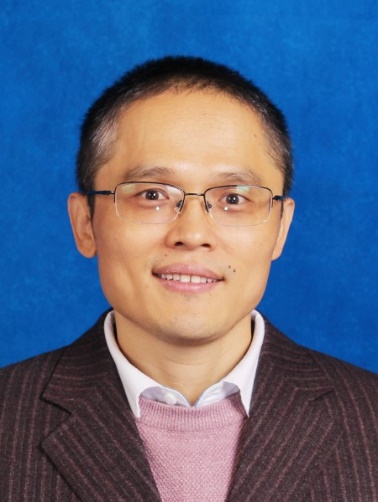
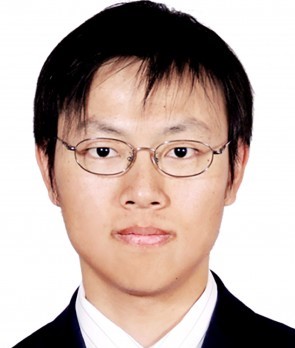
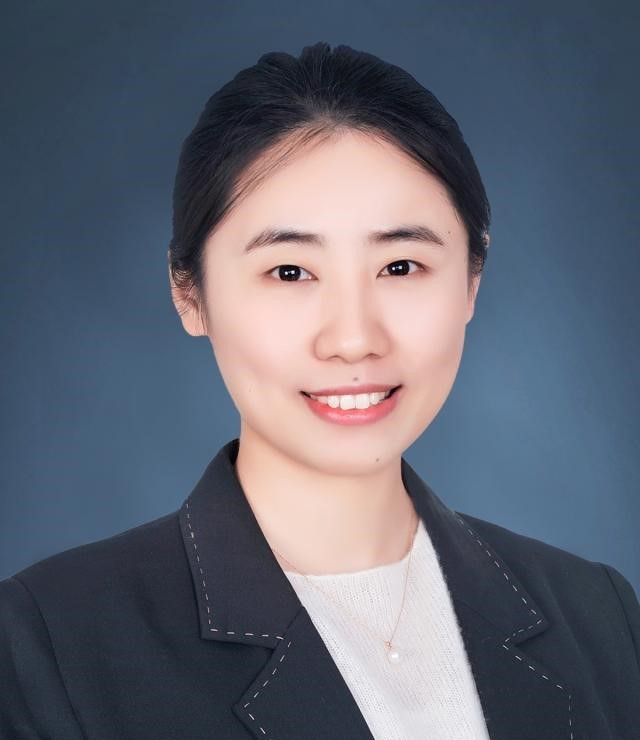
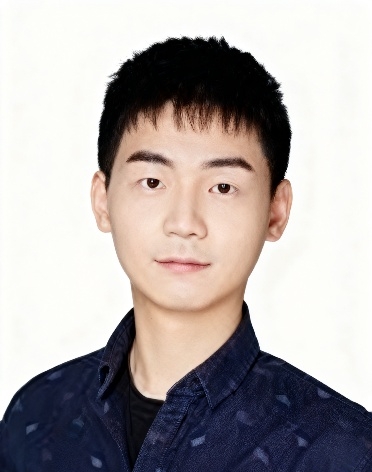
Featured Speakers
Young & Expert Forum(Partial)
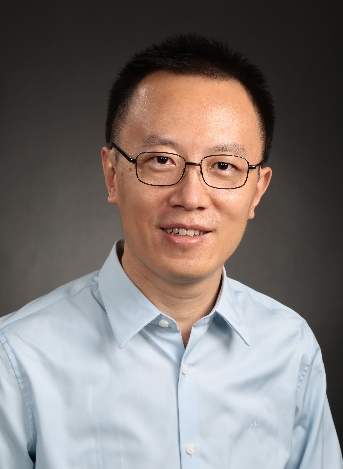
Xuerui Yang
Professor, School of Life Sciences, Tsinghua University
Integrates RNA biology with AI to decode post-transcriptional regulation, spatial omics landscapes and tumor development.
Focus: RNA regulation · Spatial omics · AI
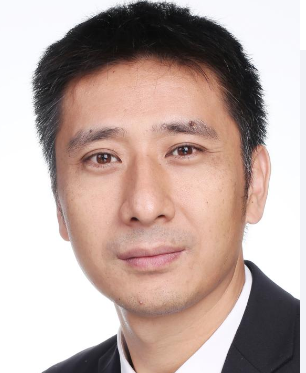
Gang Cao
Professor, Shenzhen Institute of Advanced Technology
Builds single-cell/space multi-omics technologies to probe “neural–immune–infection” systems with Nature Genetics and Neuron papers.
Focus: Space multi-omics · Neuro-immunology
Lei Chen
Research Professor, Navy Medical University
Leads the National Liver Cancer Science Center signaling lab, dissecting HCC initiation and therapy resistance.
Focus: Liver cancer · Signal transduction
Zheng Hu
Researcher, SIAT, Chinese Academy of Sciences
Combines genomics, lineage tracing and mathematical modeling to map early tumor evolution from polyclonal to monoclonal states.
Focus: Tumor evolution · Computational biology
Hanjie Li
Researcher, SIAT, Chinese Academy of Sciences
Creates comprehensive human immune atlases that integrate computational biology, molecular profiling, clinical cohorts and animal models.
Focus: Immune atlas · Computational immunology
Jing Li
Director, Precision Therapy Dept., Changhai Hospital
Develops multi-omics + AI pipelines for urologic cancers, enabling prostate cancer subtyping and liquid biopsy.
Focus: Urologic oncology · Precision medicine
Yongsheng Li
Professor, Harbin Medical University
Biomedical and tumor immuno-informatics expert with Nature Reviews Genetics and Science Advances papers; listed among the global top 2% scientists.
Focus: Immuno-informatics · Translational analytics
Junchao Shi
Researcher, China National Center for Bioinformation
Dissects non-coding RNA and RNA modification regulation while co-developing sequencing algorithms and curated databases.
Focus: Non-coding RNA · Epigenetics
Fan Yang
Researcher, Renji Hospital, SJTU
Targets tumor immune microenvironments by reprogramming macrophages and endothelial cells to boost T-cell therapies.
Focus: Immune microenvironment · Immunotherapy
Gengjie Jia
Researcher, Institute of Agricultural Genomics, CAAS
Builds AI algorithms for multi-dimensional health and nutrition data to decode chronic disease risk, with cover stories in Nature and Nature Computational Science.
Focus: Chronic disease analytics · AI for health data
Zhiwei Cao
Professor, Fudan University
Heads the Intelligent Life Science Center and pioneers AI-driven drug discovery with 150+ publications.
Focus: AI for therapeutics
Weidong Tian
Professor, Fudan University
Computational biologist focused on multi-omics analytics and national precision-medicine programs.
Focus: Computational multi-omics
Fengbiao Guo
Professor, Wuhan University
Explores essential genes for synthetic biology and drug discovery, publishing in NAR and Briefings in Bioinformatics.
Focus: Essential genes · Synthetic biology
Renchu Guan
Professor, Jilin University
Develops interpretable, cross-modal AI systems for biological cognition with 100+ papers in Nat. Commun., IEEE TKDE, KDD, etc.
Focus: Interpretable AI · Complex systems
Huiyan Sun
Researcher, School of AI, Jilin University
Specializes in causal learning and AI-for-biomedicine, authoring influential monographs and leading NSFC projects.
Focus: Causal inference · AI + Biomed
Ruiqiao He
Postdoctoral Fellow, Institute of Zoology, Chinese Academy of Sciences
Develops AI-enabled single-cell and spatial omics toolkits to track molecular dynamics from health to disease, with first-author papers in Cell and Nature Methods.
Focus: Single-cell analytics · Spatial omics AI
International Symposium(Partial)
Jun Yu
Professor, CUHK
Leads gut microbiome research for gastrointestinal cancers as Assistant Dean of CUHK’s Faculty of Medicine.
Keynote: Gut Microbiome/Metabolites in MASLD and HCC via Gut-Liver Axis
Micheal Zhang
Distinguished Chair Professor, UT Dallas
Computational genomics pioneer whose tools reshaped transcriptome and epigenome analysis.
Keynote: Adeno-to-squamous transition drives resistance to KRAS inhibition
Jindan Yu
Professor, Emory University
Directs prostate & GU oncology research at Winship Cancer Institute, focusing on epigenetic regulatory networks.
Keynote: Systems biology approaches to deciphering prostate cancer regulation
Chao Lu
Professor, Columbia University
Dissects chromatin regulatory networks and mutation-driven epigenetic vulnerabilities.
Keynote: Genetic Dissection of Chromatin Regulatory Network
Jiguang Wang
Associate Professor, HKUST
Quantifies tumor immune “temperature” via spatial omics and advanced computation.
Keynote: Quantifying the immune temperature of cancer cells with spatial omics
Melissa J. Fullwood
Associate Professor, NTU
Explores 3D genome architecture and AI-assisted cancer vulnerabilities.
Keynote: AI × Cancer Biology: Harnessing Big Data to Decode 3D Genome Architecture
Chi Zhang
Associate Professor, OHSU
Builds computational resources to interrogate tumor metabolic reprogramming.
Keynote: Advancing computational tools to study metabolic reprogramming
Zeyu Shen
Researcher, HKUST
Investigates phase separation biology and neural systems with publications in Cell and Science.
Keynote: Percolation and its function in biological systems
Yufang Shi
Dean, School of Translational Medicine, Soochow University
European Academy of Sciences member with 300+ papers on MSC immunology and inflammatory tumor microenvironments.
Keynote: Mesenchymal Stem Cells and Inflammatory Tumor Environment
Zhimin Lu
Dean, Institute of Translational Medicine, Zhejiang University
AAAS Fellow and metabolism pioneer revealing signaling–metabolism coupling.
Keynote: Metabolic Regulation of Cancer and Immunity
Luonan Chen
Chair Professor, Shanghai Jiao Tong University
Applies complex networks and AI to systems biology with 28,000+ citations.
Keynote: Dynamical Systems Biology with AI
Changtao Jiang
Professor, Peking University
Formulated the “cross-kingdom regulation of metabolic homeostasis” concept with high-impact publications in Science, Cell and Nature.
Keynote: Cross-kingdom regulation of host metabolic homeostasis
Ying Xu
Chair Professor, SUSTech School of Medicine
ICSB co-founder and AAAS/IEEE Fellow who advances cancer informatics across biological big data, tumor immunology, and cerebrovascular metabolism.
Keynote: Chemical homeostasis imbalance/rebalance insights into Alzheimer’s
Fudi Wang
Dean, School of Public Health, Zhejiang University
Leads research on iron metabolism, ferroptosis, and trace element homeostasis, driving “iron science” toward clinical translation.
Keynote: Ferroptosis, iron science, and therapies for major diseases
Weihua Yue
President, Peking University Sixth Hospital
Integrates multi-omics and digital psychiatry to decode mental-disorder susceptibility and build personalized intervention models.
Keynote: Multi-omics pathogenesis and translational psychiatry
Yiqin Gao
Professor, College of Chemistry, Peking University
Explores 3D chromatin organization and tumor gene regulation, known for discovering the “magic number effect” in hydrated ion transport.
Keynote: 3-D chromatin structure, methylation and gene expression in cancer
Hongbin Ji
Professor, School of Medicine, Westlake University
Proposed the “Oncorganology” paradigm to interpret lung cancer evolution, covering driver genes, transdifferentiation, and therapy resistance.
Keynote: To Be or Not to Be — The Existentialism of PIK3CA Mutation
Zhengwei Xie
Assistant Professor, PKU International Cancer Institute
Applies AI and computational biology to aging and metabolic diseases, publishing in Nature Biotechnology, Cell, and Aging Cell.
Keynote: Revolutionizing target discovery for complex diseases
Jiamin Wu
Associate Professor, Dept. of Automation, Tsinghua University
Pioneers mesoscale intravital imaging and digital adaptive optics to boost throughput and spatiotemporal resolution.
Keynote: Mesoscale intravital fluorescence microscopy
December 5
Young Scholar Forum & Frontier Forum
Young Scholar Forum (Morning)
Venue: Shenzhen DoubleTree by Hilton Hotel, 3F, Bolin Hall A
| Time |
Topic |
Speaker & Affiliation |
| 08:30-08:40 |
Opening Host: Jing Li |
|
Group Photo |
| Chair: Xuerui Yang |
| 08:40-08:55 |
Single-cell lineage tracing and tumor evolution analysis |
Zheng Hu
(Shenzhen Institute of Advanced Technology, CAS) |
| 08:55-09:10 |
Spatiotemporal evolution and precision treatment of malignant tumors |
Lei Chen
(Eastern Hepatobiliary Surgery Hospital) |
| 09:10-09:25 |
Role of novel multispecific antibodies in tumor immunotherapy |
Fan Yang
(Renji Hospital, Shanghai Jiao Tong University) |
| Chair: Renchu Guan |
| 09:25-09:40 |
Mechanism analysis of tumor immunotherapy resistance and exploration of combination therapy strategies |
Yongsheng Li
(Harbin Medical University) |
| 09:40-09:55 |
Beyond the Hype: A Critical Look of the Dazzling Spatial omics |
Gang Cao
(Shenzhen Institute of Technology) |
| Chair: Huiyan Sun |
| 09:55-10:10 |
A System Perspective on the Sperm RNA Code of Aging |
Junchao Shi
(Beijing Institute of Genomics, CAS) |
| 10:10-10:25 |
Chronic disease risk analysis and precision nutrition exploration |
Gengjie Jia
(Agricultural Genomics Institute, CAAS) |
| Chair: Xiaopei Shen |
| 10:25-10:40 |
Single-cell spatial omics mining technology |
Ruiqiao He
(Institute of Zoology, CAS) |
| 10:40-10:50 |
Integrated Single-Cell and Spatial Transcriptomics Uncover Distinct Cellular Subtypes Involved in Neural Invasion in Pancreatic Cancer |
Minmin Chen
(Shenzhen Bay Laboratory) |
| 10:50-11:05 |
New Technology Development and Application Translation for Synthetic Biology and Genomics |
Maohua Zhang
(Boke Biotech Co., Ltd.) |
| 11:30-13:00 |
Lunch |
Frontier Forum (Afternoon)
Venue: Shenzhen DoubleTree by Hilton Hotel, 3F, Bolin Hall A
| Time |
Topic |
Speaker & Affiliation |
| Opening Host: Jun Tian |
| 13:30-13:55 |
Clinical omics analysis and AI-driven antibody drug discovery |
Zhiwei Cao
(Fudan University) |
| 13:55-14:20 |
Cross-scale integration model and mechanism exploration of cellular and molecular processes under spatial resolution |
Xuerui Yang
(Tsinghua University) |
| Chair: Haixia Guo |
| 14:20-14:35 |
Evolution analysis and therapeutic drug screening of esophageal adenocarcinoma based on precancerous stem cells |
Shan Wang
(Zhejiang University) |
| 14:35-14:50 |
Tracing unknown tumor origins with a biological pathway-based transformer model |
Mengsha Tong
(Xiamen University) |
| Chair: Yuanjie Li |
| 14:50-15:05 |
Bladder cancer plasticity intervention strategy research |
Yuqing Li
(Huanan Hospital, Shenzhen University) |
| 15:05-15:20 |
Multi-omics study of adamantinomatous craniopharyngioma |
Xianlong Wang
(Fujian Medical University) |
| Chair: Huiyan Sun |
| 15:30-15:45 |
LINC02593: A Potential Glioma Suppressor via TNFα/NF-κB Pathway |
Yifeng Yang
(ShanghaiTech University) |
| 15:45-16:00 |
Transcriptional regulation in immune system based on 3D genome research |
Shaoqi Zhu
(Sun Yat-sen University) |
| Chair: Zhenyu Huang |
| 16:00-16:15 |
Application of interpretable AI based on large language models in synthetic lethality anticancer drug target discovery |
Jie Zheng
(ShanghaiTech University) |
| 16:15-16:30 |
Multilevel proteomic analyses reveal molecular diversity between diffuse-type and intestinal-type gastric cancer |
Wenhao Shi
(Tsinghua University) |
| Chair: Xuechen Mu |
| 16:30-16:45 |
SP1 Binding Shapes Local Mutation Rates in Cancer Genomes through Impaired DNA Repair |
Hu Fang
(Huanan Hospital, Shenzhen University) |
| 16:45-17:00 |
RPcontact: A language model-based method for RNA–Protein contact prediction from sequence |
Jiuhong Jiang
(Guangzhou Laboratory) |
December 6-7
Keynote Schedule
December 6 (Morning)
Venue: Shenzhen DoubleTree by Hilton Hotel, 3F, Hanlin Hall
| Time |
Content |
Speaker |
| Conference Chair: Ying Xu (Southern University of Science and Technology) |
| Opening Ceremony Host: Zhiwei Cao |
| 8:30-8:40 |
Opening Remarks |
Zhirong Sun
(Tsinghua University) |
| 8:40-8:50 |
Opening Remarks |
Ying Xu
(Southern University of Science and Technology) |
| 8:50-9:00 |
Group Photo |
| Chair: Weidong Tian |
| 9:00-9:50 |
Metabolic Regulation of Cancer and Immunity |
Zhimin Lu
(Zhejiang University) |
| 9:50-10:40 |
Genetic Dissection of Chromatin Regulatory Network |
Chao Lu
(Columbia University)
(Online) |
| Chair: Guoqing Liu |
| 10:50-11:40 |
Mesenchymal Stem Cells and Inflammatory Tumor Environment |
Yufang Shi
(Soochow University)
(Online) |
| 11:40-12:30 |
Quantifying the immune temperature of cancer cells with spatial omics |
Jiguang Wang
(Hong Kong University of Science and Technology) |
| 12:30-14:00 |
Lunch |
December 6 (Afternoon)
Venue: Shenzhen DoubleTree by Hilton Hotel, 3F, Hanlin Hall
| Time |
Content |
Speaker |
| Chair: Chunman Zuo |
| 14:00-14:50 |
To Be or Not to Be — The Existentialism of PIK3CA Mutation in Lung Cancer |
Hongbin Ji
(Westlake University) |
| 14:50-15:40 |
Ferroptosis, Iron Science and Diagnosis/Treatment of Major Diseases |
Fudi Wang
(Zhejiang University) |
| Chair: Yan Wang |
| 15:40-16:30 |
Chemical Homeostasis Imbalance/Rebalance Insights into Alzheimer's Disease Associated with Cerebrovascular Diseases |
Ying Xu
(Southern University of Science and Technology) |
| 16:45-17:35 |
3-D chromatin structure, methylation and gene expression correlation in cancer cells |
Yiqin Gao
(Peking University) |
| 18:00-20:00 |
Conference Banquet |
December 7 (Morning)
Venue: Shenzhen DoubleTree by Hilton Hotel, 3F, Hanlin Hall
| Time |
Content |
Speaker |
| Chair: Youqiong Ye |
| 8:00-8:50 |
Gut Microbiome/Metabolites in MASLD and HCC via Gut-Liver Axis |
Jun Yu
(The Chinese University of Hong Kong) |
| 8:50-9:40 |
Exploring the pathogenesis and translational applications of common mental disorders based on multi-omics data |
Weihua Yue
(Peking University) |
| 9:40-10:30 |
AI × Cancer Biology: Harnessing Big Data to Decode 3D Genome Architecture and Therapeutic Vulnerabilities |
Melissa J. Fullwood
(Nanyang Technological University) |
| Chair: Luqiang Zhang |
| 10:40-11:30 |
Systems biology approaches to deciphering prostate cancer regulation |
Jindan Yu
(Emory University) |
| 11:30-12:20 |
Advancing computational tools and resources to study metabolic reprogramming in cancer |
Chi Zhang
(Oregon Health & Science University) |
| 12:20-13:20 |
Lunch |
December 7 (Afternoon)
Venue: Shenzhen DoubleTree by Hilton Hotel, 3F, Hanlin Hall
| Time |
Content |
Speaker |
| Chair: Fuyi Xu |
| 13:20-14:10 |
Mesoscale intravital fluorescence microscopy |
Jiamin Wu
(Tsinghua University) |
| 14:10-15:00 |
Adeno-to-squamous transition drives resistance to KRAS inhibition in LKB1 mutant lung cancer |
Micheal Zhang
(University of Texas at Dallas)
(Online) |
| 15:00-15:50 |
Revolutionizing Target Discovery for Complex Diseases: A Deep Learning-Driven Approach |
Zhengwei Xie
(Peking University) |
| Chair: Fengbiao Guo |
| 15:50-16:40 |
Cross-kingdom regulation of host metabolic homeostasis by gut microbial enzymes and metabolites |
Changtao Jiang
(Peking University)
(Online) |
| 16:40-17:30 |
Percolation and its function in biological systems |
Zeyu Shen
(Hong Kong University of Science and Technology) |
| 17:30-18:20 |
Dynamical Systems Biology with AI |
Luonan Chen
(Shanghai Jiao Tong University) |
Registration & Fees
| Category |
Participant |
Fee (RMB) |
| DragonStar Course |
All attendees |
500 / person |
| Young & Expert Forum + International Symposium |
Professional delegate |
1500 (before Nov 15)
/2000 (after Nov 15) |
| Student delegate |
1200 (before Nov 15)
/1500 (after Nov 15) |
- Young Forum speakers are exempt from fees and receive priority consideration for the CSSB Computational Systems Biology committee.
- All sessions require pre-registration; scan the QR codes below to submit your application for each track.
- Student attendees must present a valid student ID at on-site check-in.
- Travel and accommodation are self-arranged; lunches (6–7 Dec) and coffee breaks are provided during the symposium.

Young Forum Speaker Submission
Upload your talk title and abstract via this channel.

DragonStar Program Courses
Register for the 2–4 December DragonStar training sessions.

Forum & International Symposium
Complete your 5–7 December Young Forum & ICSB registration.

Conference Payment
Reference: ICSB 2025 + Your Name when submitting payment.
Agenda attachments and full speaker lists are available through the registration QR links. Reach out to Ms. Tongmei Lu for any registration support.
Downloads——DragonStar Program Courses
DNA related to the transforming gene(s) of avian sarcoma viruses is present in normal avian DNA
Download PDF
Hallmarks of cancer: the next generation (2011)
Download PDF
Cancer Is A Survival Process under Persistent Microenvironment and Cellular Stresses
Download PDF
Metabolic Reprogramming in Cancer Is Induced to Increase Proton Production
Download PDF
Acid-base Homeostasis and Implications to the Phenotypic Behaviors of Cancer
Download PDF